Nasıl Oldu?
Biyografi, tarih ve gündeme dair merak edilen sorulara kaynak odaklı, anlaşılır cevaplar sunar.
Nasıl Oldu?
Biyografi, tarih ve gündeme dair merak edilen sorulara kaynak odaklı, anlaşılır cevaplar sunar.

Hayatlar, vefatlar ve merak edilen olaylar hakkında kaynak odaklı bilgiler.
Hayatlar, vefatlar ve merak edilen olaylar hakkında kaynak odaklı bilgiler.
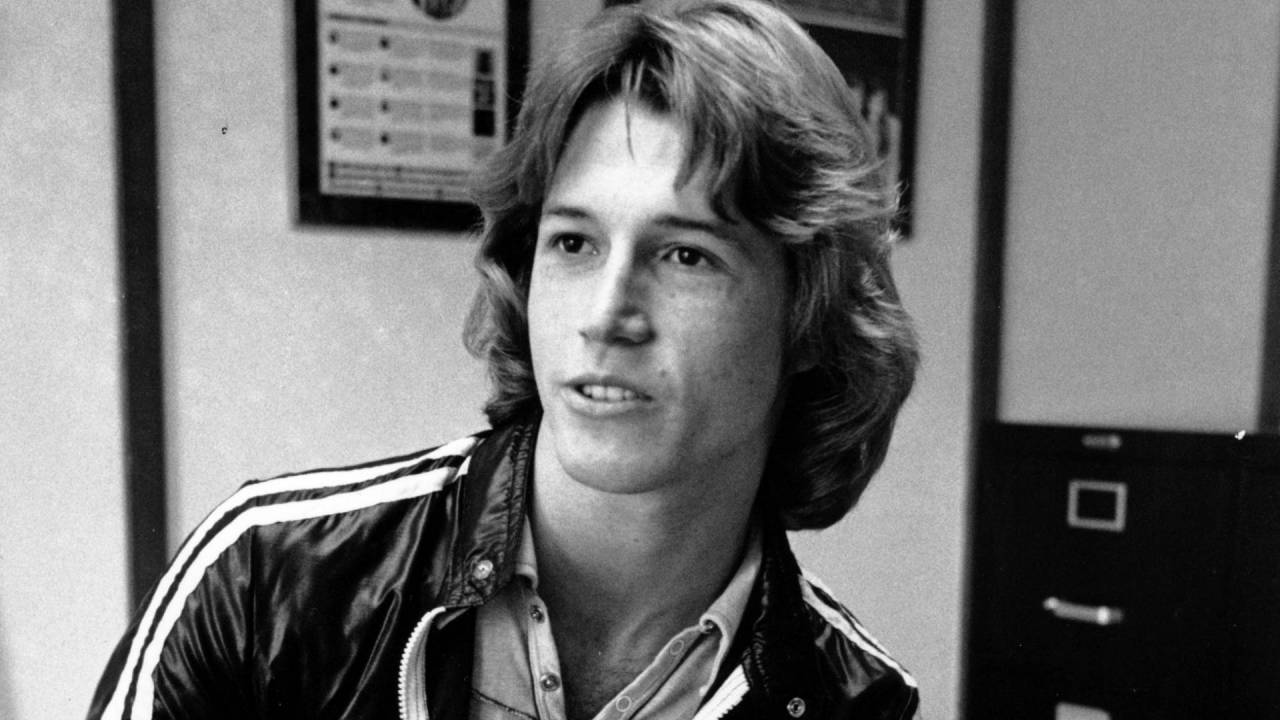
Andy Gibb became a chart-topping solo artist with three consecutive American number-one singles. Explore his music, his life and what contemporary reporting established about his death.
How Did Andy Gibb Die? Andy Gibb died on March 10, 1988, at John Radcliffe Hospital in Oxford, England, aged 30. His reported cause of death was myocarditis, an inflammation of the heart muscle. A hospital statement issued after the post-mortem described the inflammation as the kind normally caused by a virus and said there was no evidence that his death was related to alcohol or drugs.
The youngest Gibb brother was a successful solo singer, not a member of the Bee Gees. His death came while he was preparing to return to recording, less than a decade after becoming one of the most recognizable young performers in American pop music.
Andy Gibb died from heart inflammation, identified in later biographical accounts as myocarditis. The hospital’s announcement following his post-mortem classified his death as being from natural causes.
This finding matters because some early reports suggested an overdose. The announcement reported on March 11, 1988, did not support that explanation. Instead, it described inflammation of the heart consistent with the type usually caused by a virus.
The wording should not be stretched into a more specific diagnosis. The announcement did not identify a particular virus, and it does not establish every detail of how his illness developed.
The reported medical cause was myocarditis: inflammation affecting the heart muscle.
Myocarditis is not simply another name for a heart attack. Heart inflammation can interfere with the heart’s normal function and can lead to serious complications. However, general medical information about the condition cannot tell us exactly what happened during Gibb’s final hours.
Accounts of his death sometimes combine his diagnosed condition with his earlier struggles with addiction. Those are different questions. His history of substance use is part of his biography, but it should not replace the findings communicated after his death.
The clearest contemporary explanation remains the hospital’s statement: natural causes involving heart inflammation, without evidence linking the death to drink or drugs.
Andy Gibb died on March 10, 1988.
He had celebrated his birthday on March 5, just five days earlier. Contemporary reporting placed his admission to hospital on March 7, after he became unwell with abdominal pain.
Initial reports on the day of his death did not provide a confirmed cause. The hospital’s post-mortem announcement followed the next day. That sequence explains why an early obituary may describe an undisclosed illness while a later report gives a more specific explanation.
He died at John Radcliffe Hospital in Oxford, England.
Although his recording career was closely associated with the United States, he was in England working toward a return to music when he became ill.
His place of death should not be confused with his burial location. Gibb was subsequently laid to rest at Forest Lawn Memorial Park in Hollywood Hills, California.
Andy Gibb was 30 years old.
Born Andrew Roy Gibb on March 5, 1958, in Manchester, England, he died on March 10, 1988. His family’s official memorial website confirms both dates.
He was already internationally famous before turning 21, but his career extended beyond the teenage-pop image associated with his earliest success.
Andy Gibb was an English-born singer and entertainer who developed his career in Australia before achieving major success in the United States.
He was the younger brother of Barry, Robin and Maurice Gibb, the musicians behind the Bee Gees. Their connection helped shape his musical opportunities, but Andy released records under his own name.
His early work included the Australian single “Words and Music.” After moving to the United States in 1976, he worked with Barry on the recordings that introduced him to a much larger audience.
His debut album, Flowing Rivers, appeared in 1977, followed by Shadow Dancing in 1978 and After Dark in 1980.
No. Andy Gibb was not a member of the Bee Gees.
The confusion is understandable: he shared their surname, worked with his brothers and recorded music associated with the same period of pop success. Nevertheless, his recording career was separate from the group.
Describing him only as “a Bee Gee” overlooks that distinction and the achievements he earned as a solo performer.
Gibb’s American breakthrough came through three consecutive chart-topping singles:
He became the first solo artist whose first three entries on the Billboard Hot 100 all reached number one. These were his first three American chart singles, not the first three recordings he had ever made.
His success was particularly strong in the United States. British chart records tell a different story: “An Everlasting Love” reached number 10 in the UK, while “Shadow Dancing” peaked at number 42.
He also worked in television and musical theatre. His credits included co-hosting Solid Gold and appearing in productions of The Pirates of Penzance and Joseph and the Amazing Technicolor Dreamcoat.
These performances are another reason to remember him as more than the subject of questions about his death.
His reported cause of death was myocarditis. His age alone does not establish why the condition became fatal, and the available public announcement does not explain every medical detail.
The hospital’s post-mortem announcement did not support an overdose. It reported natural causes involving heart inflammation and said there was no evidence connecting his death to alcohol or drugs.
No. He died in Oxford, England. His burial took place in California.
He was in England preparing to resume his recording career. He died before completing that return.
Yes. He had a daughter, Peta, with his former wife, Kim Reeder. His family now maintains an official website commemorating his life and work.
Cevaplar bu yazının ilgili bölümlerinden alınmıştır.
Andy Gibb died from heart inflammation, identified in later biographical accounts as myocarditis. The hospital’s announcement following his post-mortem classified his death as being from natural causes.
İlgili bölümü oku ↗The reported medical cause was myocarditis: inflammation affecting the heart muscle.
İlgili bölümü oku ↗He died at John Radcliffe Hospital in Oxford, England.
İlgili bölümü oku ↗Andy Gibb was an English-born singer and entertainer who developed his career in Australia before achieving major success in the United States.
İlgili bölümü oku ↗